
Puerto de la Cruz grew around a harbour that connected the Orotava Valley with the wider world. Its old streets, churches, gardens and waterfront still tell the story of trade, travel and the people who made their lives here. Choose a place or a theme below, then follow the links into the fuller stories.
Where would you like to begin?

Old town and harbour
Start beside the former convent, Plaza de Europa and the waterfront that shaped the town.
Plaza de Europa beside Puerto de la Cruz old harbour.
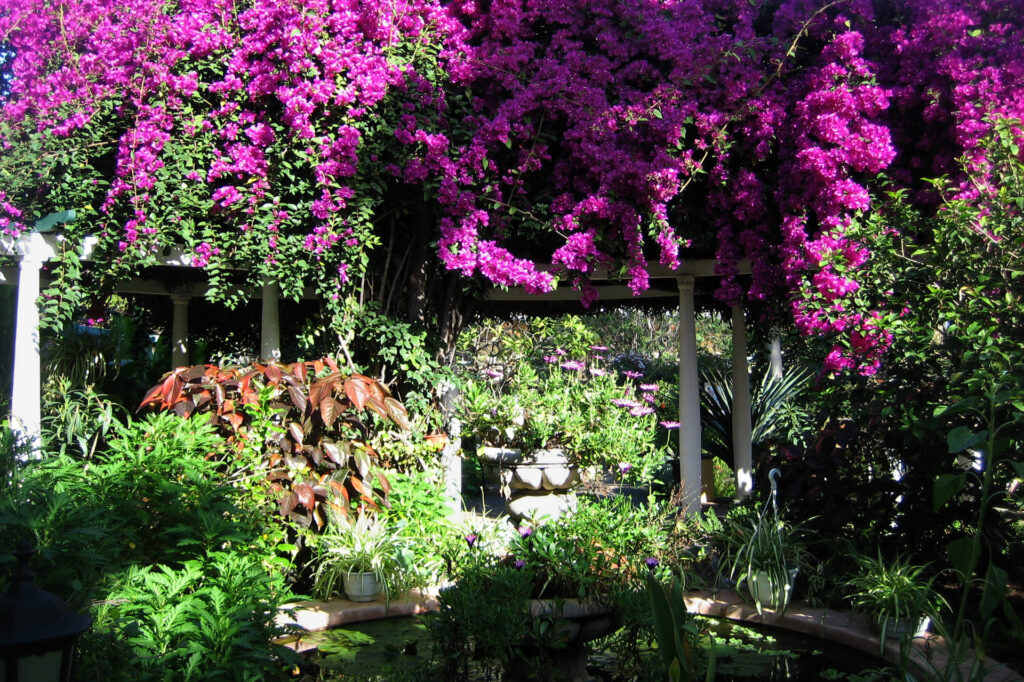
Sitio Litre and its visitors
Explore the historic garden and the travellers, writers and artists connected with it.
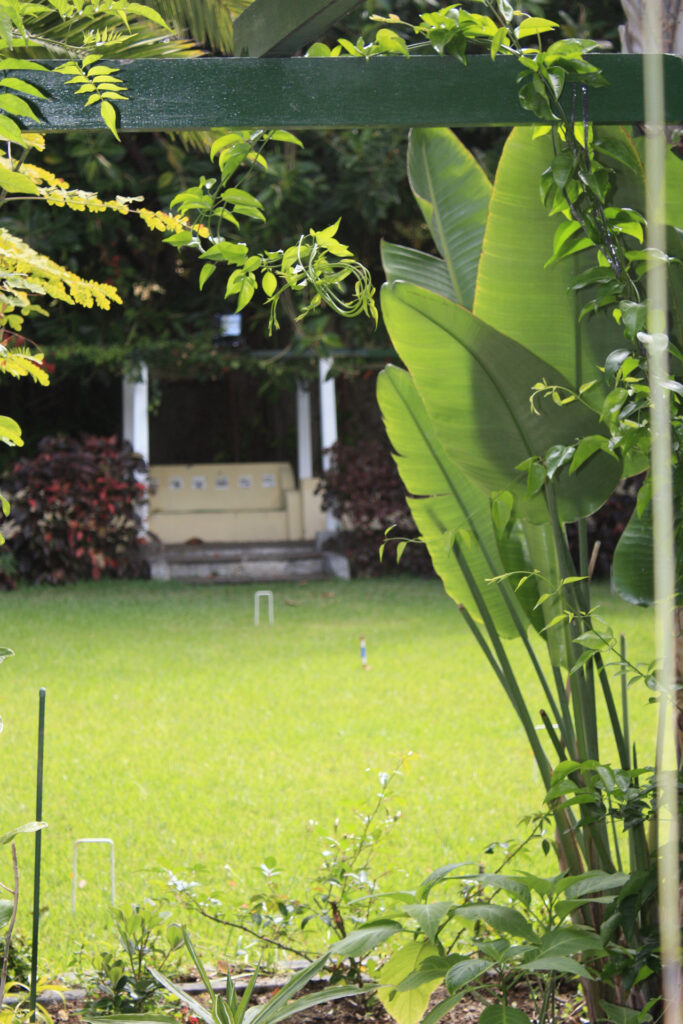
Bougainvillea and lush planting at Sitio Litre.
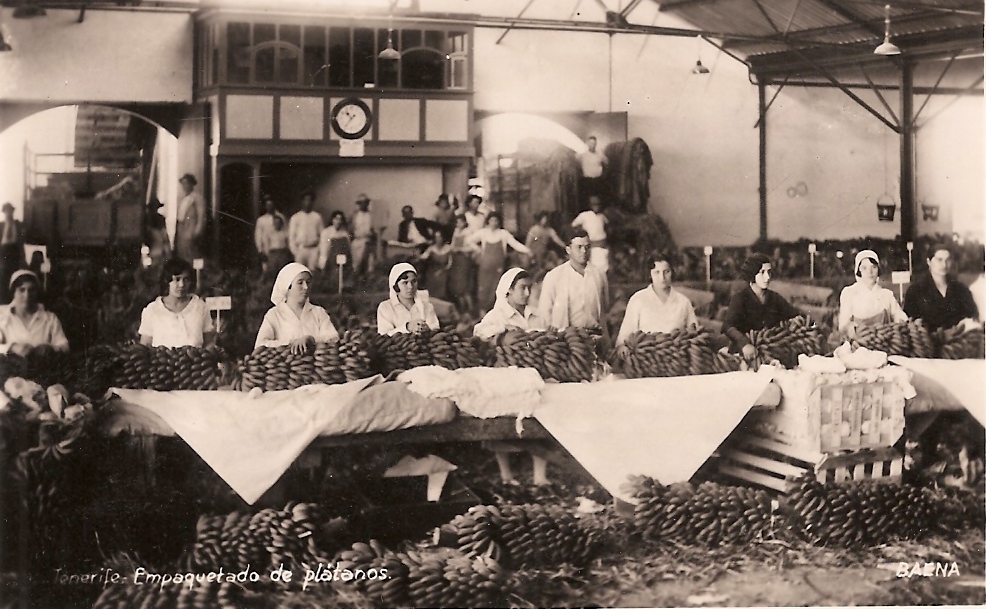
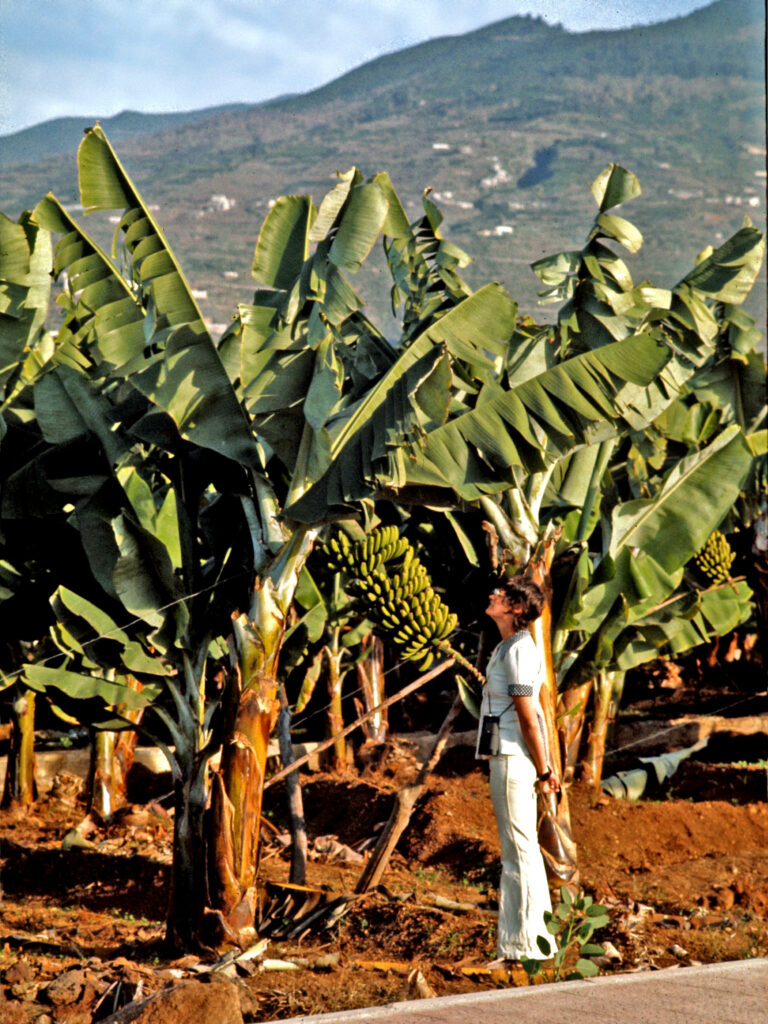
The banana years
Follow a crop that changed the valley, its workplaces and its links with the sea.
Historic postcard via Wikimedia Commons; public domain marked.
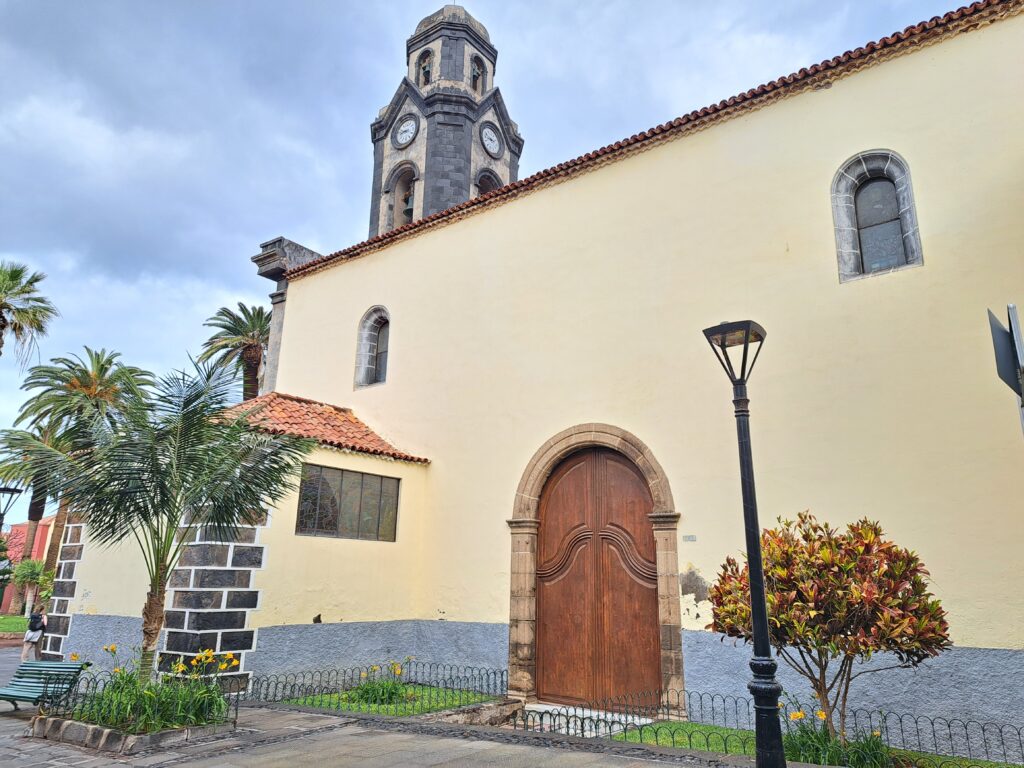
Churches and communities
Discover the buildings and communities that have gathered in Puerto over the centuries.
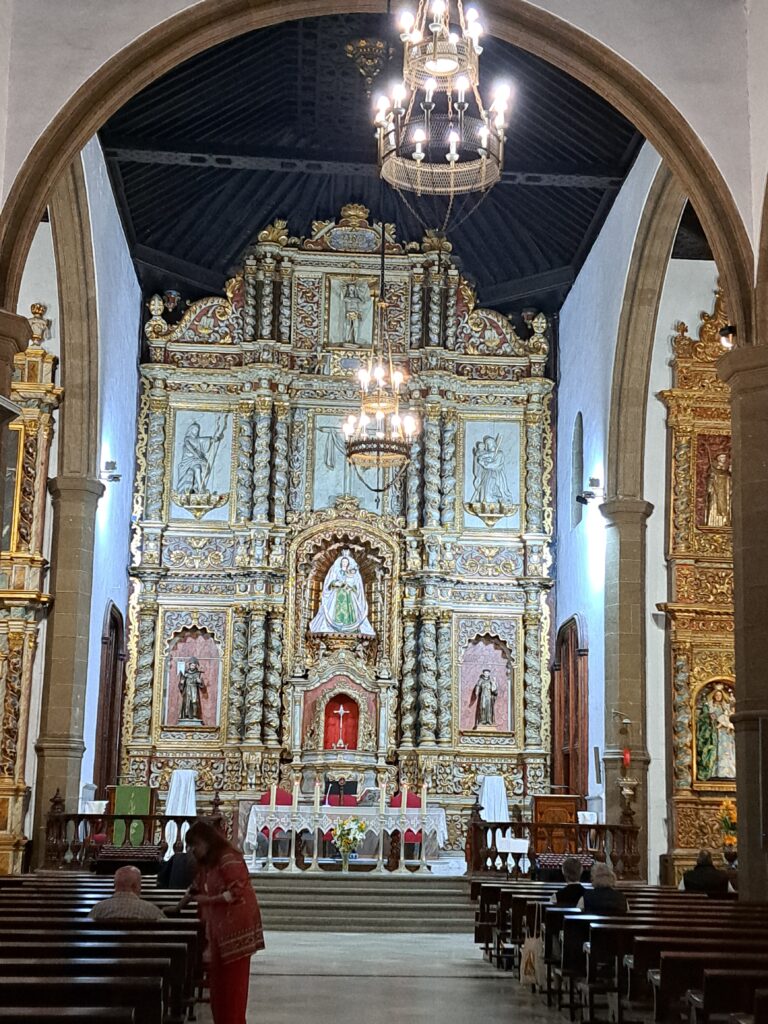
The parish church in the heart of Puerto de la Cruz.
The port and the old town
The sea was central to Puerto de la Cruz long before it became a holiday town. The harbour served the Orotava Valley's trade, and the streets around it still bring together buildings from very different centuries. Begin at the Ayuntamiento, where parts of a Dominican convent meet a later civic building, then step out to Plaza de Europa and the Santa Bárbara battery. At the fishing quay, the Museo del Pescador tells another part of the working port's story.
Away from the quay, discover Plaza del Charco, climb to El Peñón del Fraile, or take a closer look at the Hornos del Cal. The town's coat of arms offers a compact introduction to the symbols you will see on local signs.

Gardens, travellers and creative lives
The green spaces of Puerto de la Cruz have welcomed visitors for generations. Sitio Litre is a lovely place to begin: its paths, orchids and old house bring together garden history and stories of people who spent time in the town. Read about Agatha Christie's visit, Marianne North's paintings and Alexander von Humboldt's journey.
There are other perspectives too. Charles Piazzi Smyth came to Tenerife to observe the sky from above the clouds, while Alfred Diston recorded island life through his art. To see how the gardens and squares fit together on foot, follow our historic gardens walk.
Bananas, packing stores and ships
Bananas reshaped the Orotava Valley and the working life of Puerto de la Cruz. Our history of bananas follows the crop across Tenerife and into the town. From Finca to Fruit Ship takes a closer look at the packing stores, the people who worked in them and the boats that carried boxes out to waiting vessels.
The British exporter Yeoward Brothers had premises at El Penitente, near today's Town Hall. Beyond Puerto, the Gordejuela water elevator is a dramatic reminder of the engineering behind banana cultivation. The growth of tourism brought another change: the Gran Hotel Taoro stands above town as one of its best-known historic hotel buildings.
Churches and communities
Puerto's places of worship belong to its everyday history as well as its skyline. Visit the Iglesia de Nuestra Señora de la Peña de Francia by the church square, the Ermita de San Telmo beside the sea, and San Francisco and the historic chapels.
The town's international connections can be seen around Parque Taoro and the old streets. Explore All Saints Anglican Church, the English Cemetery and the English Library. Each has a distinct story within the wider history of Puerto de la Cruz.
See the history around you
Many of these stories are easier to picture once you have walked the route. Join Ramón Michán for our historical gardens and plazas tour, then continue with part two. The Agatha Christie walking tour follows places associated with her time here. For the waterfront, our San Telmo to El Muelle walk lets you see the old town and sea together.
Follow PuertoDeLaCruz.info in Google
If our Puerto de la Cruz guides are useful to you, you can add PuertoDeLaCruz.info as one of your preferred sources in Google.