
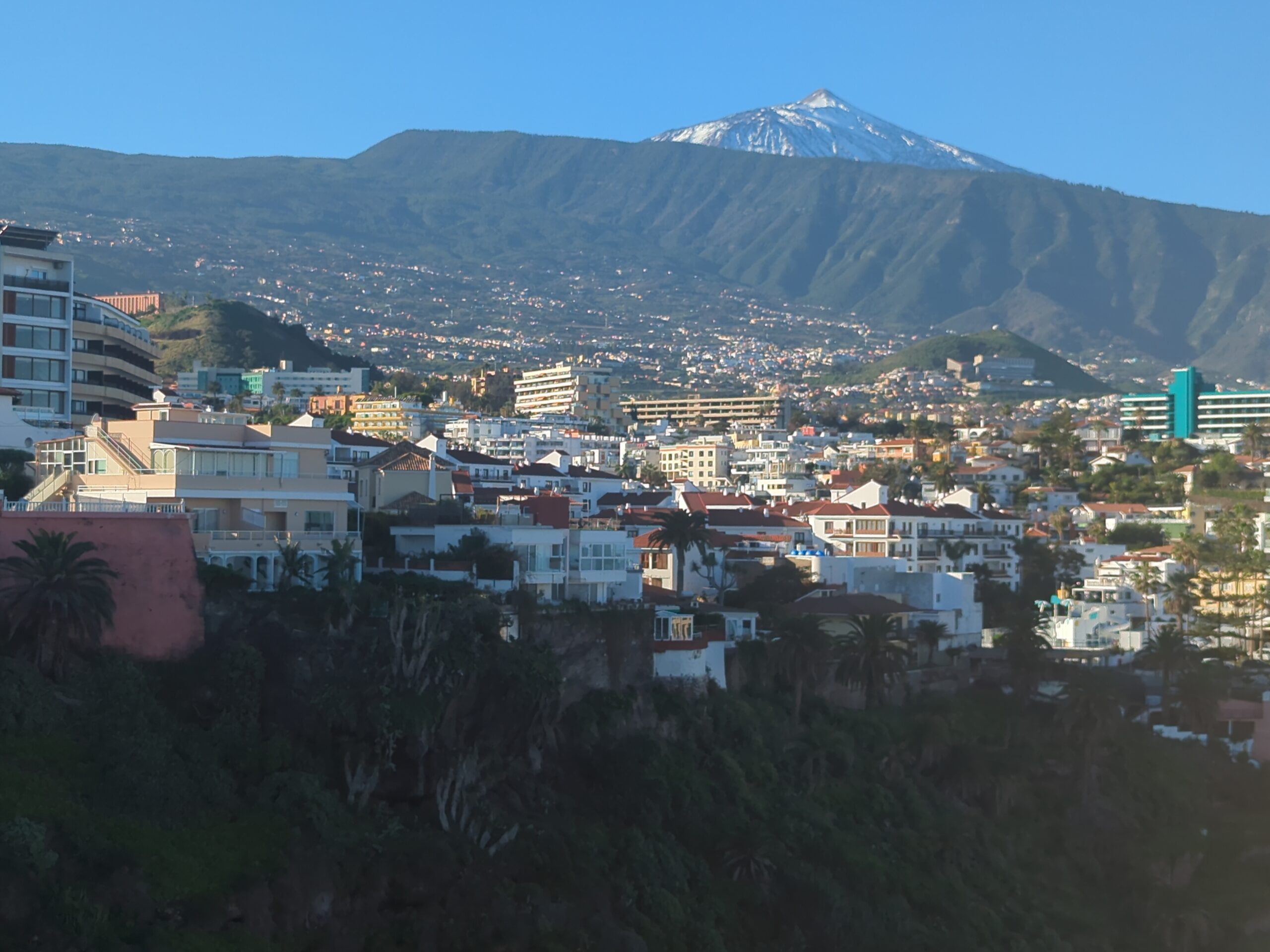
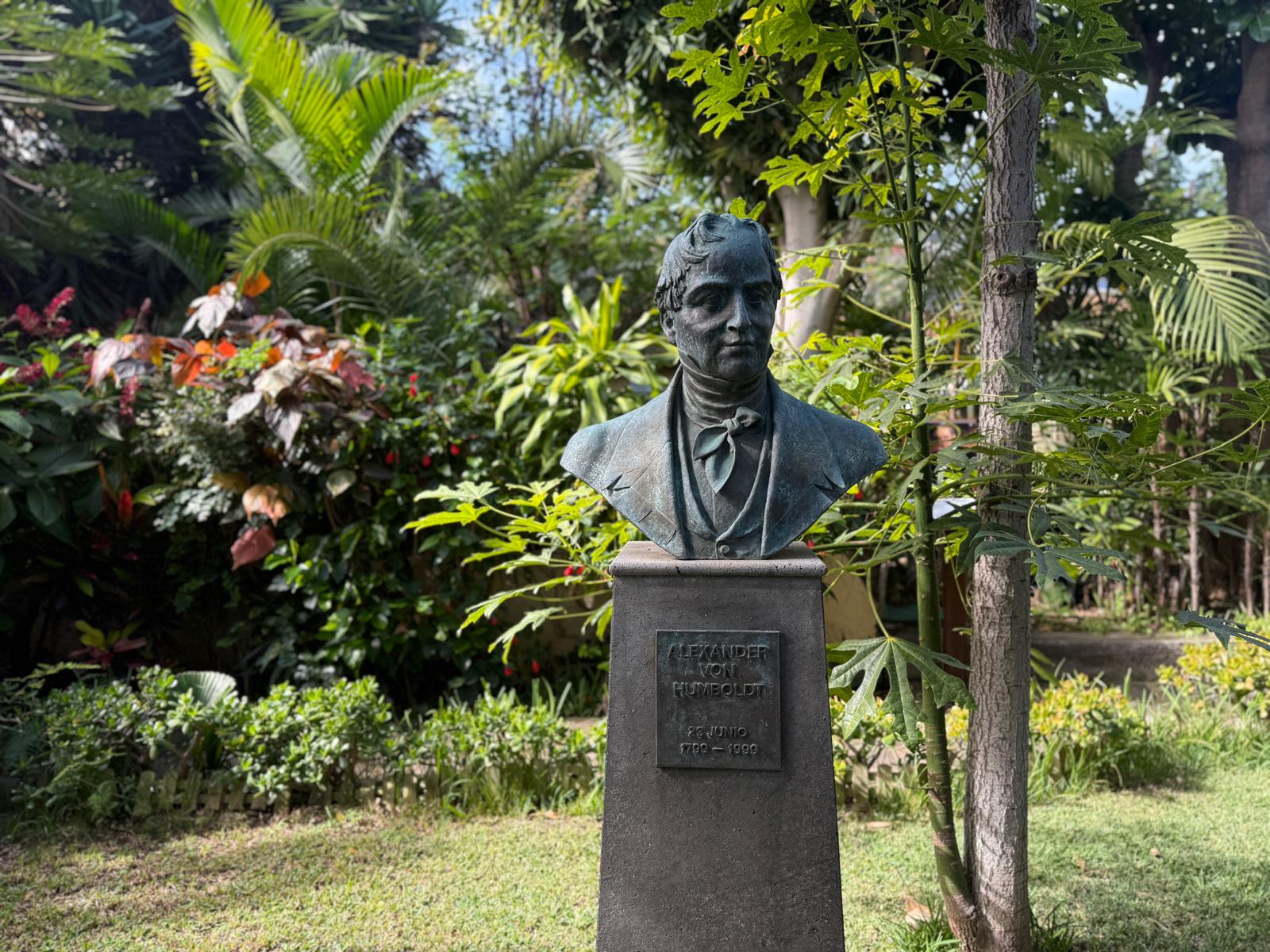
On the evening before St John’s Day in 1799, Alexander von Humboldt stood in Mr Little’s garden above the old port of Puerto de la Cruz. He could see Teide, the coast and the Atlantic, while midsummer fires appeared on the mountain slopes. That garden is today’s Sitio Litre. Humboldt’s stop on Tenerife lasted only a few days, yet his account connects a friendly evening in Puerto with a climb of Teide, a visit to the Botanical Garden and his lifelong interest in how plants and landscapes change with height.
Humboldt in Tenerife at a glance
Who: Alexander von Humboldt (1769–1859), German naturalist and explorer, travelled with the botanist Aimé Bonpland. When: they were on Tenerife from 19 to 25 June 1799, at the start of their journey towards the Americas. Local connections: the old port, the Jardín de Aclimatación, a climb of Teide and a St John’s Eve gathering at Mr Little’s garden, now Sitio Litre.
A short stop before a much longer journey
Humboldt and Aimé Bonpland sailed on the Spanish corvette Pizarro towards the Americas in 1799. Tenerife was a stop along the way, but they made good use of the time. They reached Santa Cruz on 19 June, travelled through La Laguna towards the Orotava Valley and spent days examining plants, landscapes and the great volcano. The scholarly Humboldt chronology places their departure from Tenerife on 25 June.
For Humboldt, a port was more than somewhere a ship called in. It was a way into a landscape and the people who knew it. Around what was then often called Puerto de la Orotava, he found guides, hosts, gardens and a route up Teide. His travel account moves easily between careful observations and an unmistakable delight in the view.
The local story is easier to follow if we keep the places distinct. Puerto de la Cruz was his base near the coast; the Botanical Garden was a separate visit; the great dragon tree he described grew at La Orotava; and Mr Little’s garden was the place where he spent a memorable midsummer evening.
At the Jardín de Aclimatación
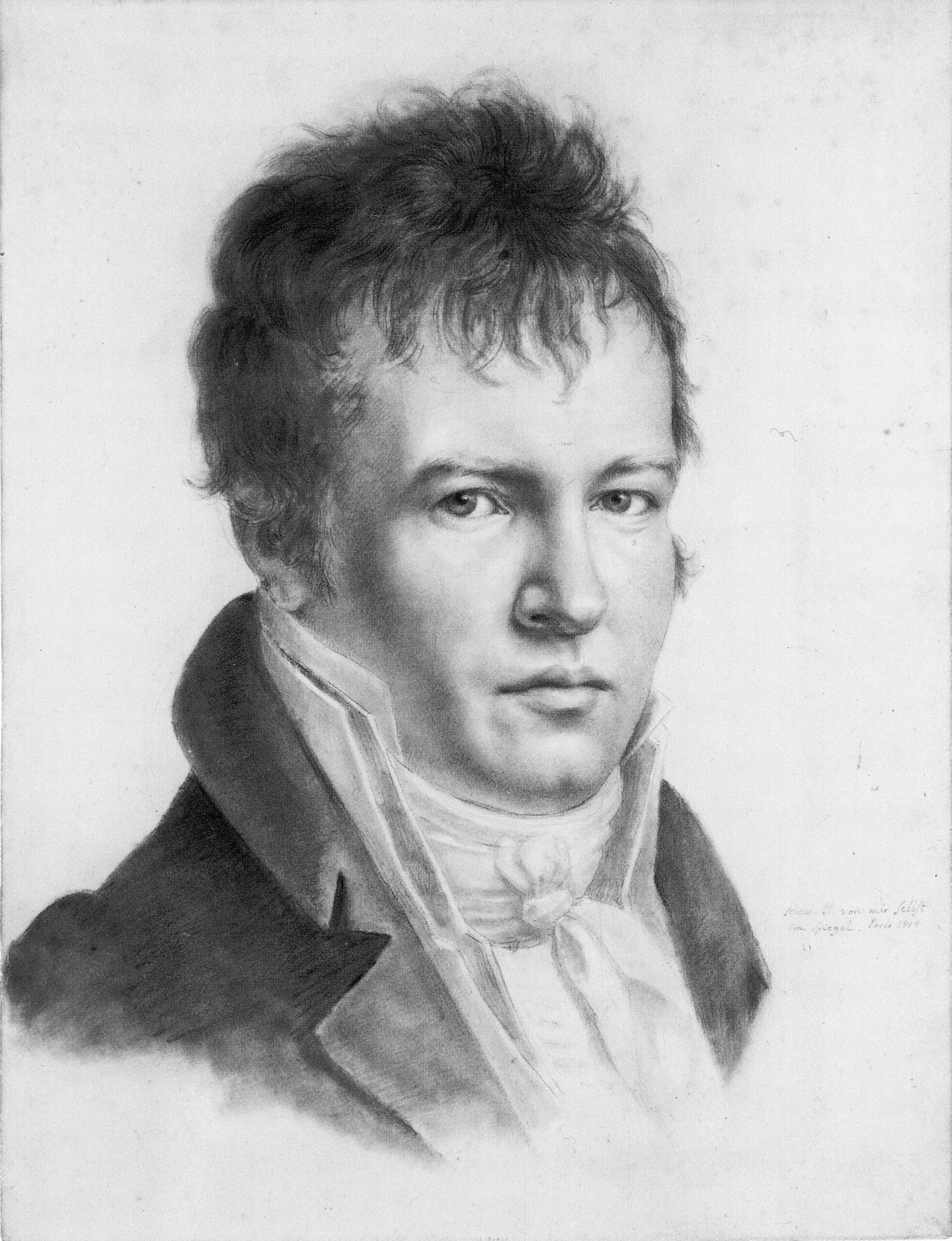
Humboldt’s published account describes visiting a botanical garden near the port. This was the Jardín de Aclimatación de La Orotava, now the Jardín Botánico in Puerto de la Cruz. He was interested in the idea of testing how plants from warmer parts of the world might grow in Tenerife’s climate before being introduced farther north.
He also met the French vice-consul Le Gros, who knew the ascent of Teide and went on to guide the travellers. Humboldt’s account names the Marquis de Nava in connection with establishing the garden and describes planting already underway in the 1790s. The visit puts Puerto into a wider history of botanical exchange as well as local sightseeing.
A modern walk under the Botánico’s trees is not the same as Humboldt’s 1799 visit: collections have grown and changed. But the garden’s central idea, learning from living plants, still makes it a useful place to start his Puerto story.
Climbing Teide and looking at the changing landscape
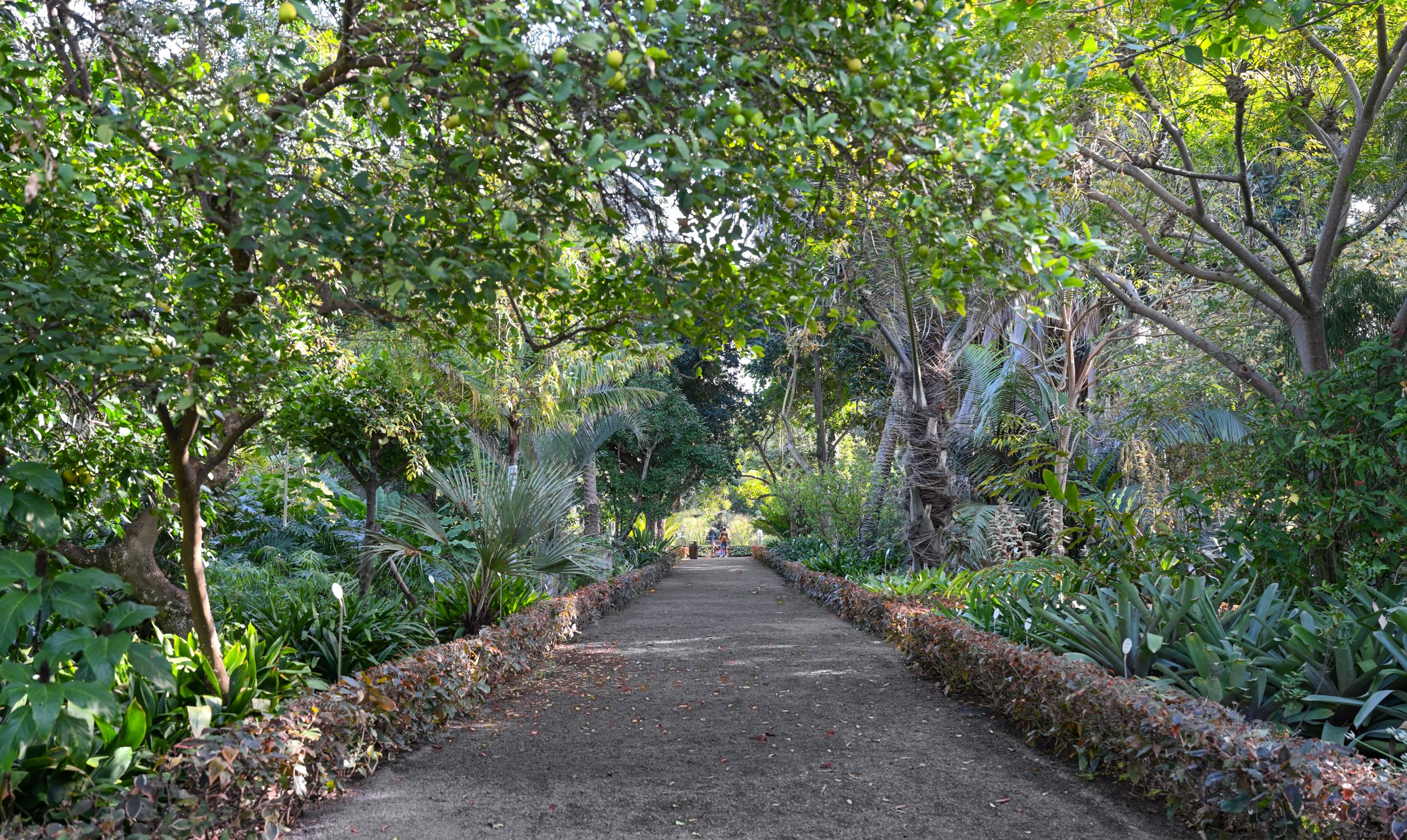
From the Orotava Valley, Humboldt and Bonpland went up Teide. The Humboldt chronology places the ascent on 21 June 1799 and the return overnight on the 22nd. They observed the volcanic terrain and collected information about the air and the plants they encountered at different heights. The mountain was exciting to see, but it was also a place to ask questions: what changes as you climb, and why?
This interest later fed into Humboldt’s work on the geography of plants: the relationship between vegetation, altitude and climate. His published physical chart of the Canary Islands and Teide also drew on later observations by Leopold von Buch and Christian Smith. His days on Tenerife were part of a larger scientific story, not a claim that one short climb settled everything.
In his travel writing, the mountain is both measured and admired. That combination helps explain his lasting appeal. You can follow the route intellectually from a low garden near the coast to the very different world high on Teide, without needing to attempt the historic ascent yourself.
St John’s Eve at Mr Little’s garden
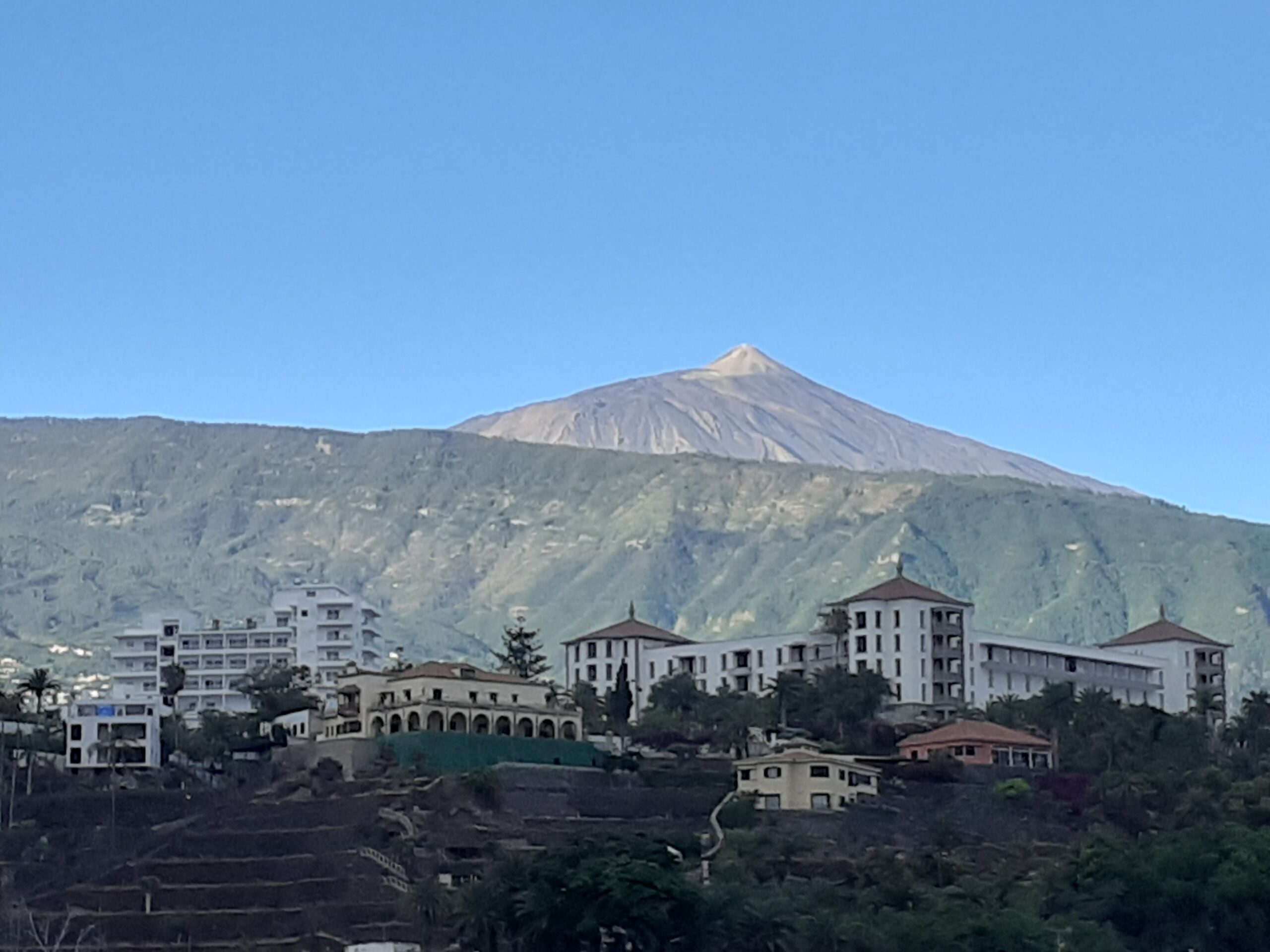
The most direct link between Humboldt and Sitio Litre comes from his own travel account. On the eve of St John’s Day, he and Bonpland attended a gathering in Mr Little’s garden. Humboldt admired how Little had cultivated a volcanic hillside into an English-style garden and described the view across Teide, the coastal villages and La Palma. As evening fell, he noticed St John’s fires on the mountain slopes.
The scholarly Humboldt chronology dates the visit to 23 June 1799 and identifies this garden as the present-day Sitio Litre Orchid Garden. This was a visit for a gathering, not evidence that he stayed in the house. Nor is his account proof that the occasion was organised in his honour: it describes a local midsummer celebration he enjoyed as a guest.
Imagine arriving there after the mountain journey, able to look back towards the slopes from a garden above the port. The present-day paths and planting have changed, but the connection between this place, the valley and Teide is still the heart of the story.
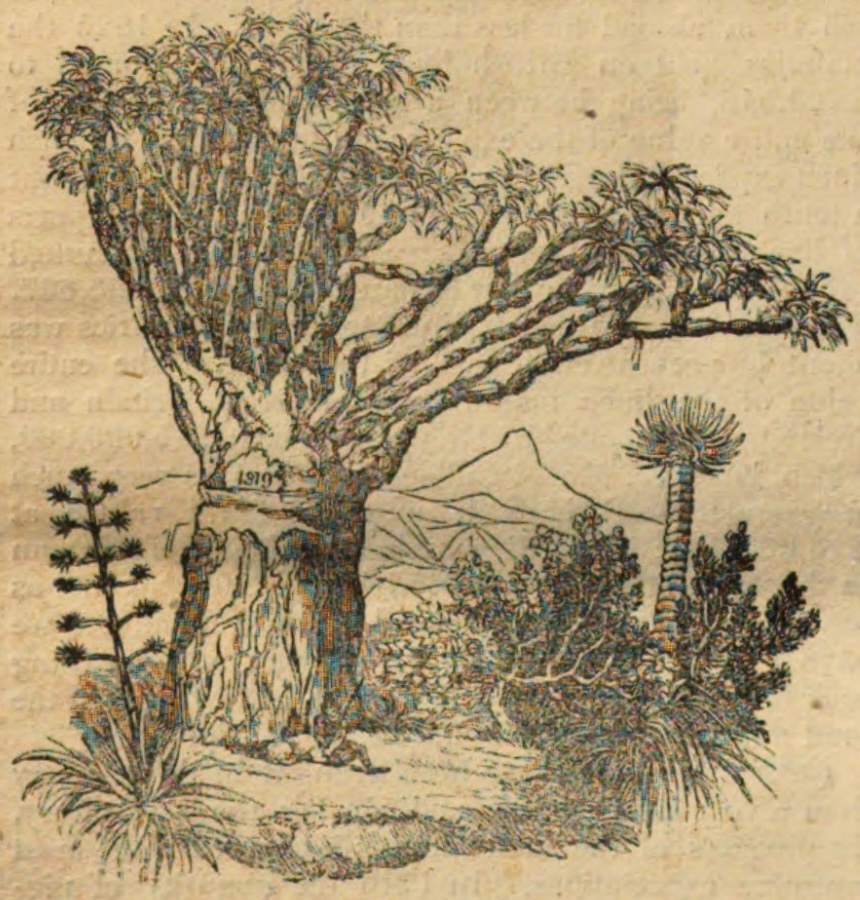
Which dragon tree did Humboldt see?
Visitors sometimes connect Humboldt’s famous description of a huge dragon tree with the tree at Sitio Litre. His account is more specific: the giant he measured and discussed was in the garden of M. Franqui at La Orotava. That historic tree was not the dragon tree in Mr Little’s Puerto de la Cruz garden.
Sitio Litre’s own old dragon tree is well worth seeing, but treating the two as one would erase an interesting part of his route. Humboldt’s writing follows several places across the valley. The distinction helps you imagine a traveller moving between the port, gardens and the town of La Orotava rather than spending all six days at a single property.
For a different artistic view of Sitio Litre’s tree, see the related story of Marianne North. She stayed at the house much later, in 1875, and painted the tree in Mr Smith’s garden.
Why a few days on Tenerife still matter
Humboldt went on to spend years travelling through the Americas, but Tenerife remained part of the published story of that journey. His description of the Botanical Garden, the Teide ascent and the evening with Mr Little gives Puerto de la Cruz a place in an account read far beyond the Canary Islands.
The Cervantes historical project points to his observations of the Teide violet, the island’s volcanic landscape and the different plant communities at different heights. It also notes the later physical chart of the Canary Islands. These were not merely attractive scenes: they helped him think about how natural conditions fit together.
Equally memorable is the human scale of the visit. There were hosts in the port, a knowledgeable guide, a garden party and fires glowing on a midsummer evening. The scientist who measured mountains also took pleasure in the place and the people who welcomed him.
Follow the story around Puerto de la Cruz
Start with the Jardín Botánico in La Paz, then visit Sitio Litre if you would like to see the garden linked to the 1799 gathering. The historic house remains private, and the current garden’s orchids and koi carp pond belong to its visitor experience today; check opening details before travelling.
Our historic gardens and plazas video with Ramón Michán begins at Sitio Litre and goes down through the town. The historic gardens walk brings the places together in a fuller route.
Marianne North’s story explores the same garden almost eighty years later. Together, the two stories show how one small place can be linked to very different travellers.
Follow PuertoDeLaCruz.info in Google
If our Puerto de la Cruz guides are useful to you, you can add PuertoDeLaCruz.info as one of your preferred sources in Google.