
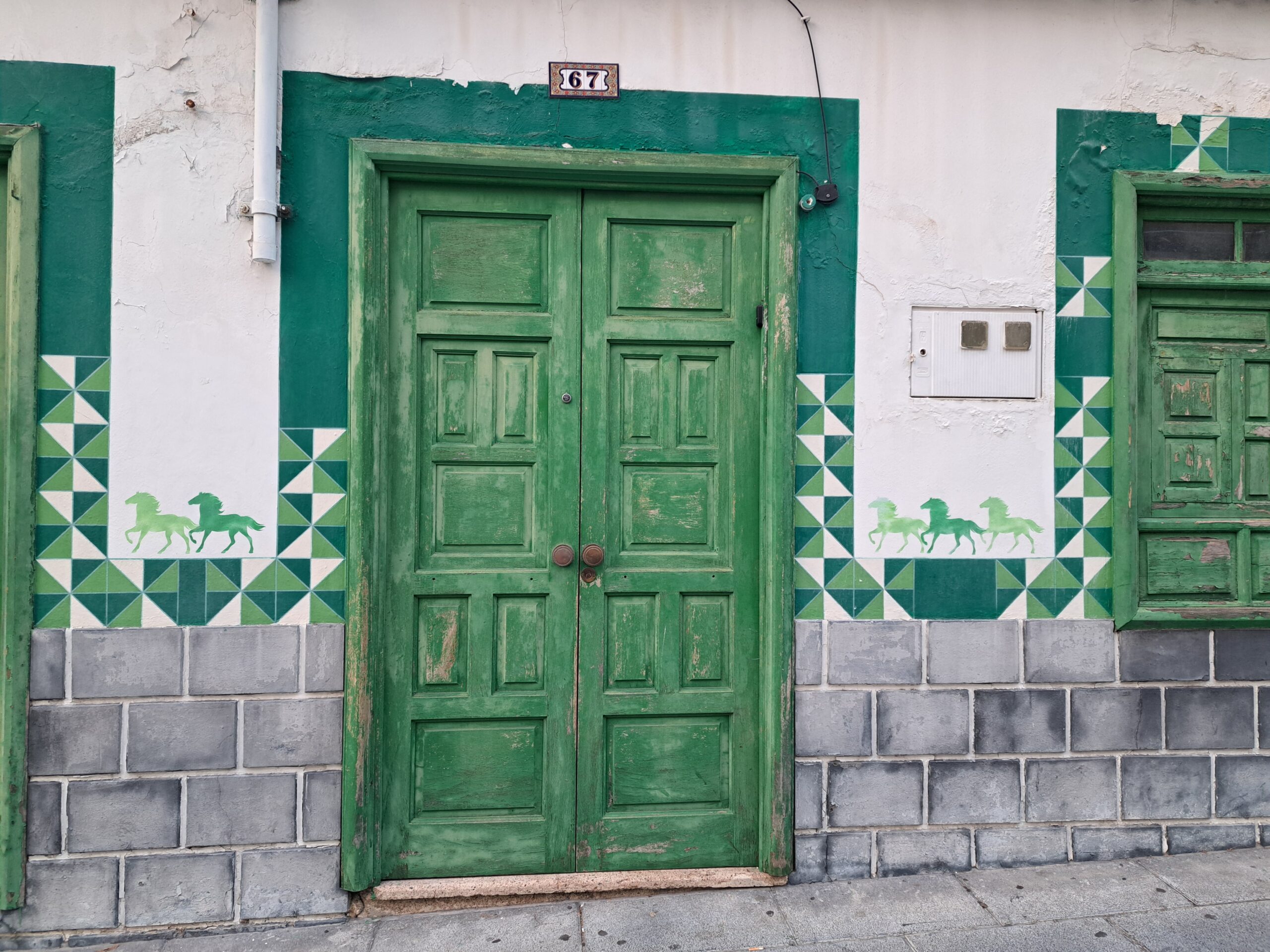
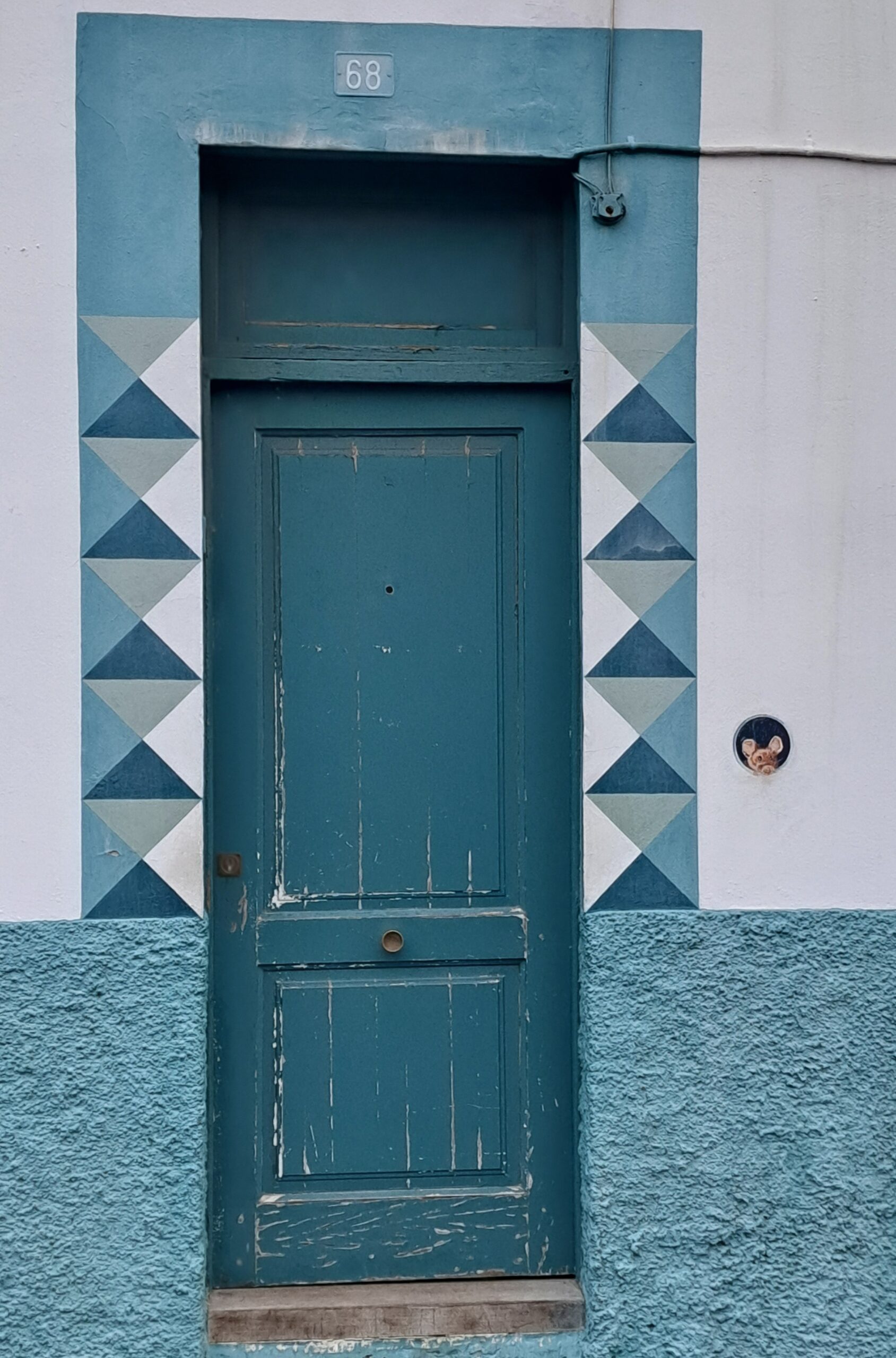
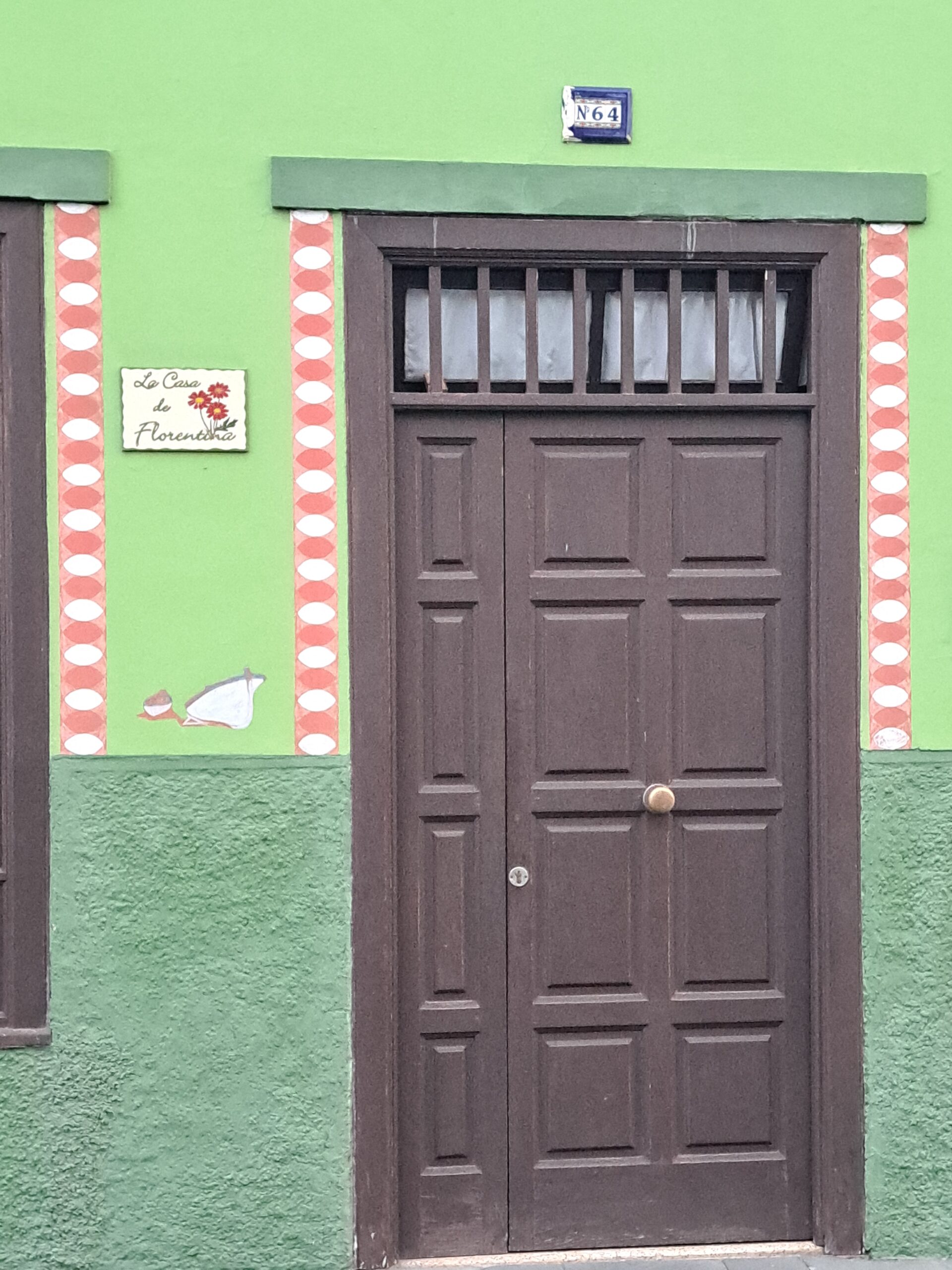
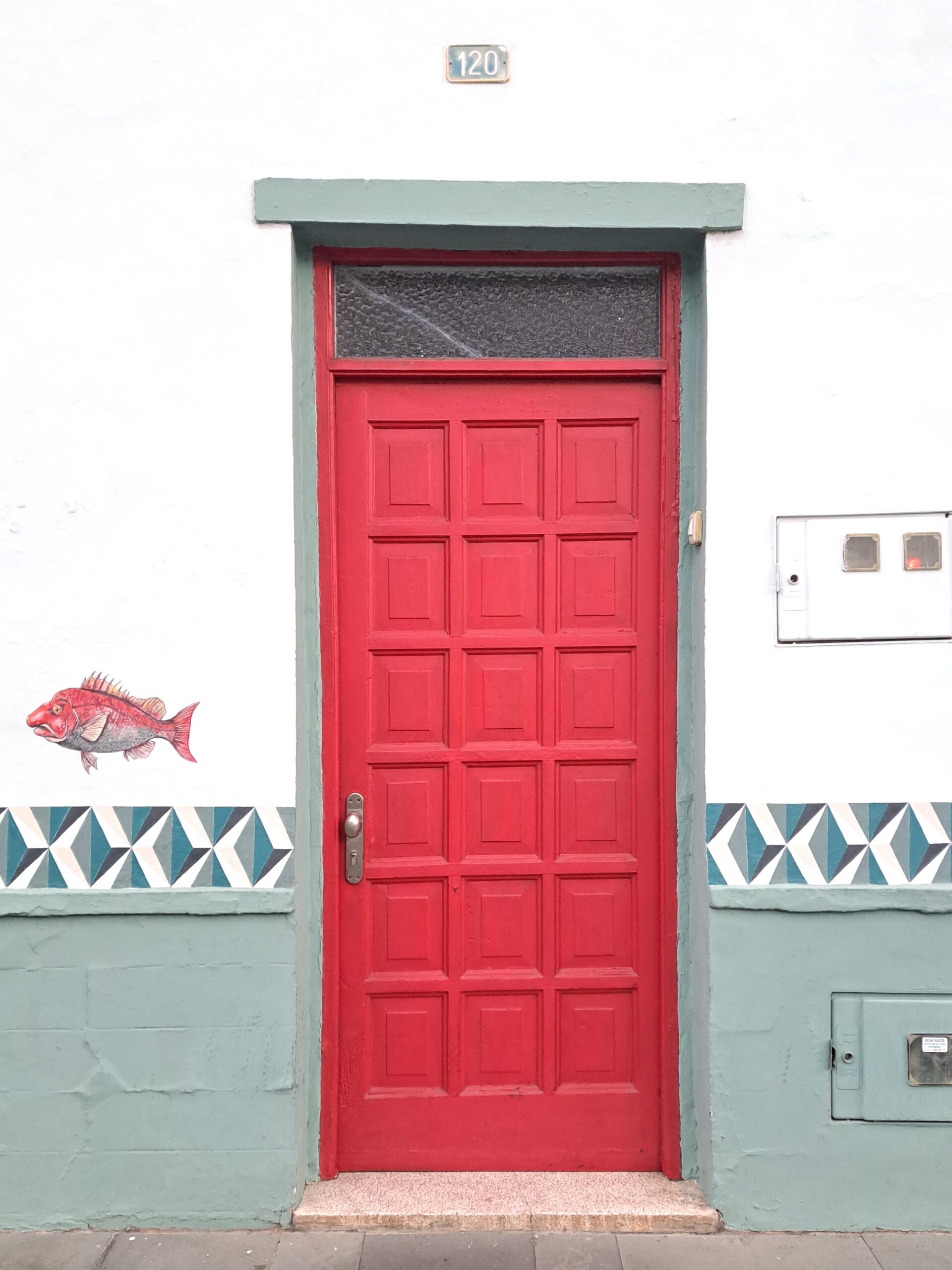
Look closely at the house façades in La Ranilla and you may spot a tiny mouse or another painted clue. These are part of Apodos, an ongoing project by Puerto de la Cruz artist Juliana Serrano. The pictures refer to nicknames carried by local families. They make a walk through the old neighbourhood a chance to discover the people and memories behind its streets.
What are the Apodos paintings?
Apodos is Spanish for nicknames. In Puerto de la Cruz, such names have identified families across generations. They might begin with someone's work, a habit or a remembered incident, then stay with descendants who never met the person who first received the name. In the council's Apodos Portuenses documentary, residents tell these stories in their own voices. One family traces Los Ratones back to a grandfather known as Juan el Rata.
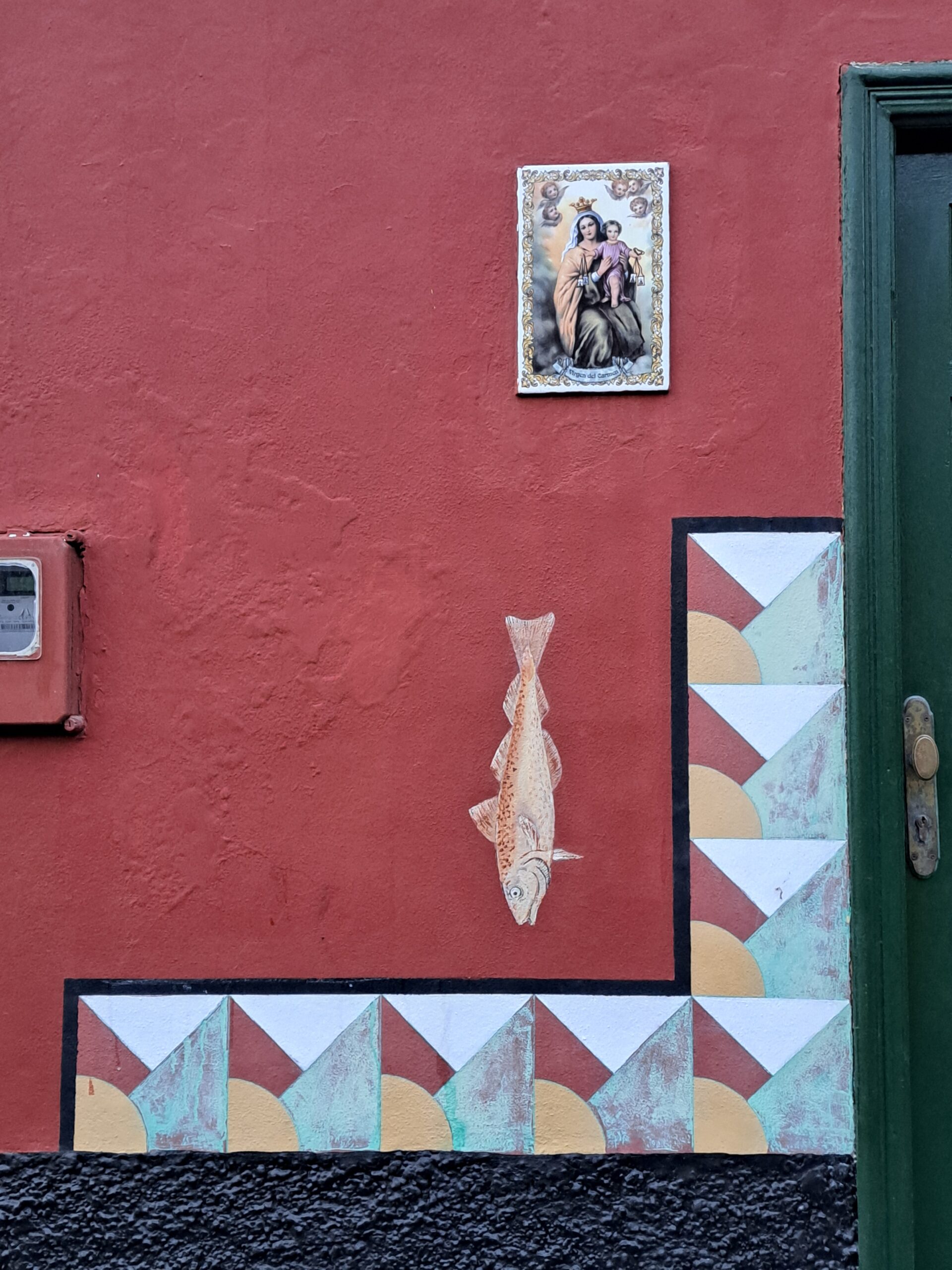
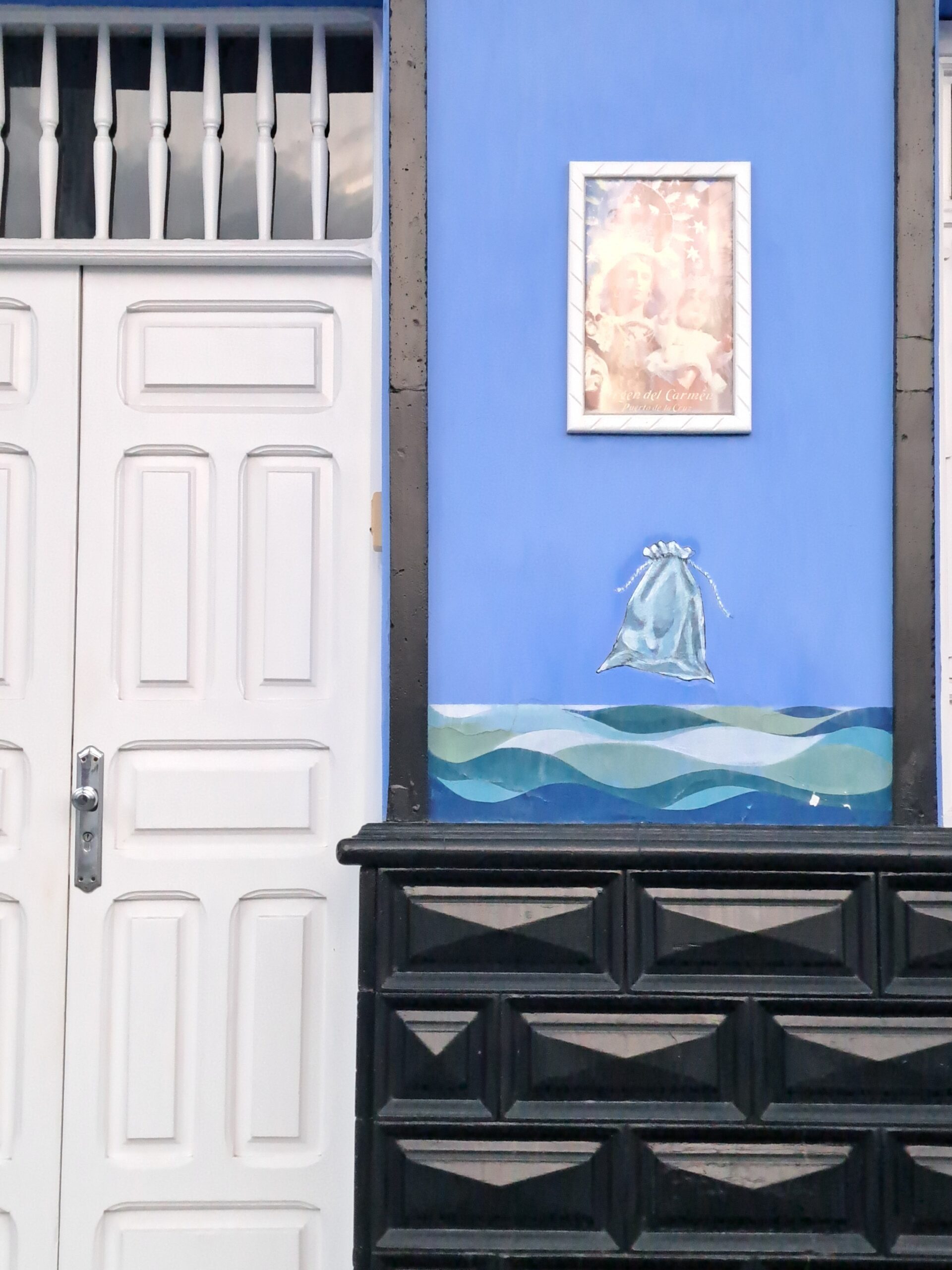
Juliana Serrano gives some of these names a visible form: small paintings on the façades of homes linked to the families. Apodos is part of Puerto Street Art and has continued through editions of MUECA. The artwork is a clue to a neighbourhood story rather than simply decoration; you can enjoy it without knowing every family's history.
How a little mouse led to more painted houses
A member of the Los Ratones family recalls that her daughter painted a little mouse on their home. The idea appealed to the council, and similar paintings followed on the homes of neighbours who wanted to take part, including through the cultural programmes around MUECA and Periplo. A Puerto Street Art video from 2017 looks back on Juliana Serrano's early nickname paintings on family houses in 2016. That family account gives the project a human beginning: a nickname passed down at home became a picture that others could notice from the street.
The Apodos works appear on homes, not on a designated gallery wall, which is why the details and their surroundings matter together.
Names that carry local memory
The council's documentary records the recollections of 12 Puerto de la Cruz families, including Los Ratones. It explores what their nicknames mean to them and how those names endured. The people interviewed describe pride, recognition and stories passed from older relatives to children and grandchildren. The documentary covers local nicknames more broadly; it is not a list of every painted house.
The paintings offer a small public glimpse of that living memory. For example, MUECA has recorded works for homes associated with names such as El Talega and El Terral. A name may tell you what image to look for, but the full family story is richer than a drawing on a wall.
Where can you look for them?
Start in La Ranilla, the old neighbourhood west of Plaza del Charco, and walk along Calle Mequinez and the nearby lanes. Search the house façades around doorways and windows as well as looking up at the larger murals. The Apodos details are easy to miss if you hurry.
This is an open-ended discovery walk, not a fixed checklist. Individual works may be repainted, covered or joined by new ones. View the homes from the public street, keep doorways clear and respect residents' privacy.
Art rooted in local memory
The nickname paintings connect people, families and place. MUECA describes Apodos as a way to discover the town through the small stories that build its shared memory. Unlike the large wall murals, these figures reward a close look at an individual home. The murals, the painted houses and other small street artworks are different parts of the town's public-art story.
Continue with our Street Art guide and wall murals walk to explore more of it.
Enjoy the walk
The Apodos works are on the outside of private homes, so you can look from the public street without entering a venue. Combine them with the larger murals and a relaxed wander through La Ranilla. Bring your own photographs if you want to remember particular details, while keeping entrances clear and being considerate of residents. You can use our Walking in Puerto de la Cruz guide to make this part of a longer town-centre stroll.
Follow PuertoDeLaCruz.info in Google
If our Puerto de la Cruz guides are useful to you, you can add PuertoDeLaCruz.info as one of your preferred sources in Google.