
Imagine opening a window above a garden, with flowers close enough to paint and Mount Teide beyond the roofs of Puerto de la Cruz. In 1875, the travelling artist Marianne North made a home for several weeks at Sitio Litre. She painted its dragon tree, its planting and the wider Tenerife landscape. The garden is open to visitors today, and her paintings offer a lovely way to see the place through another pair of eyes. Her story begins here, but reaches all the way to the gallery she created at Kew in London.
Marianne North at a glance
Who: Marianne North (1830–1890), a British traveller and botanical artist. Tenerife: she visited in 1875 and stayed for around two months at the house now known as Sitio Litre. What she left: oil paintings of its garden and other Tenerife plants and views. Where to connect with the story: visit Sitio Litre to see the garden and reproductions of her work; the historic house is private. Her original paintings belong to the Marianne North Gallery at the Royal Botanic Gardens, Kew.
An artist who wanted to see plants where they grew
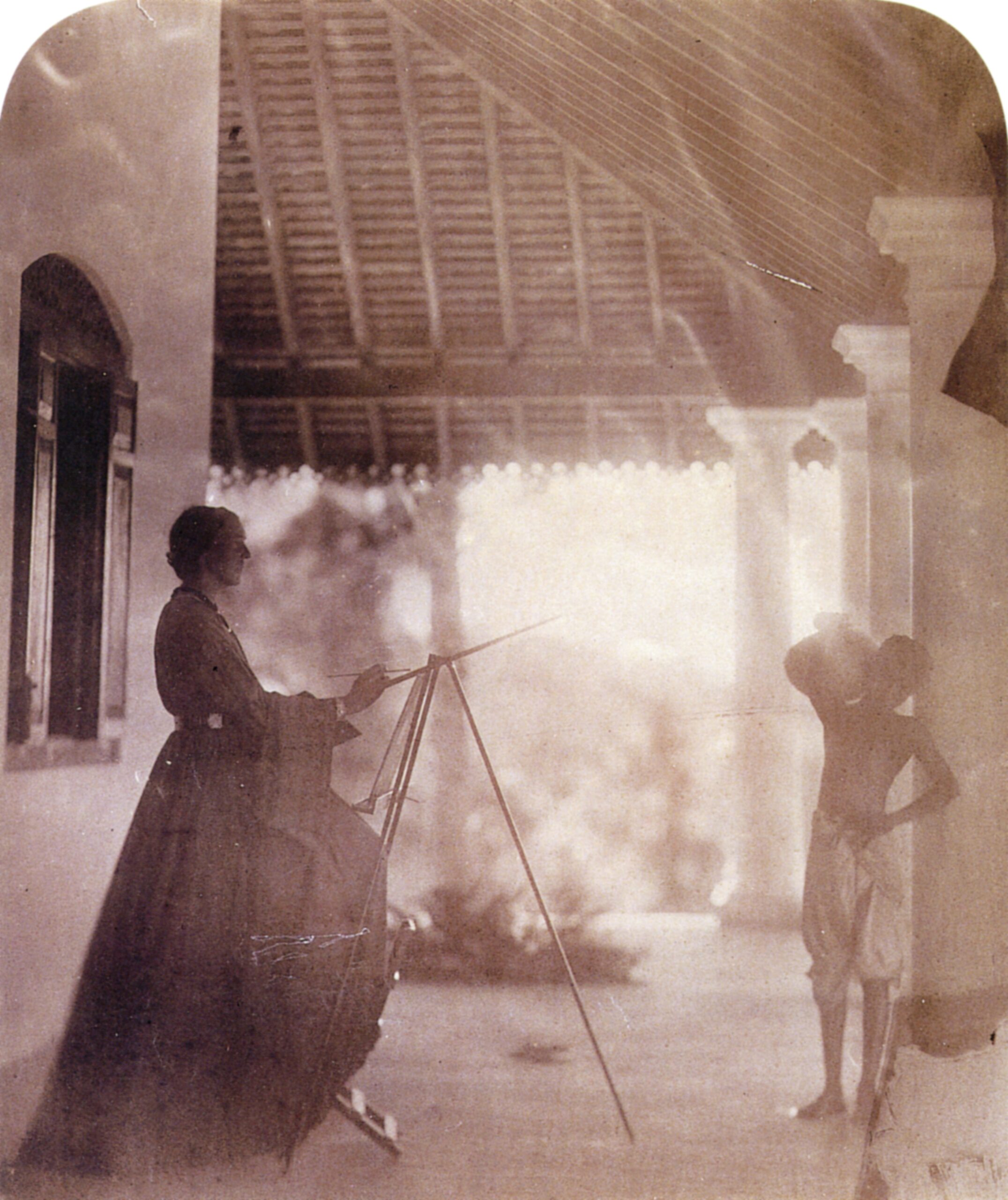
Marianne North could have spent her life painting flowers brought to London. Instead, she travelled to see the plants in their own settings. She was interested in the whole scene: a tree against a mountain, a flower in a garden, the shapes of leaves and the people or buildings around them. At a time when many women were discouraged from travelling alone, she followed her curiosity across several continents.
North used oil paint, a bold choice when delicate watercolours on a plain background were the usual model for botanical pictures. Her paintings have colour, depth and a strong sense of place. A plant matters in them, but so does the world around it. That is what makes her Tenerife work so rewarding for anyone who knows Puerto de la Cruz: you can look at the old view and then walk into the landscape yourself.
Kew now holds more than 800 of her paintings in a gallery arranged by region. Among those works are reminders of her months on Tenerife.
Why Tenerife drew her in 1875
North came to Tenerife in the winter of 1875, between longer journeys elsewhere. The mild climate gave her time to work outdoors when northern Europe was cold, and the island offered a remarkable range of subjects: coastal planting, cultivated gardens, volcanic slopes and views of Teide. Her travels took her beyond Puerto de la Cruz, but the old port became an important base.
Her later recollections describe the welcome she found here and the pleasure of discovering something new to paint on her outings. They also preserve small details of the garden that a formal history would miss: tall myrtles, bougainvillea climbing through trees, lilies, citrus blossom and fragrant roses. These descriptions are a record of what she saw in 1875, not a promise that every plant is still there today.
North was visiting a living community as well as a landscape. Puerto was tied to the Orotava Valley, shipping, gardens and visiting travellers; all of that can be sensed in her choice of scenes.
Living and painting at Sitio Litre
At Sitio Litre, North stayed with the Smith family, then the owners of the historic house. The garden’s own history records a stay of about two months, and North’s recollections place her at Mr Smith’s comfortable house from February. She could look out towards Teide and find subjects close to home. The house remains a private residence, while the garden itself can be visited.
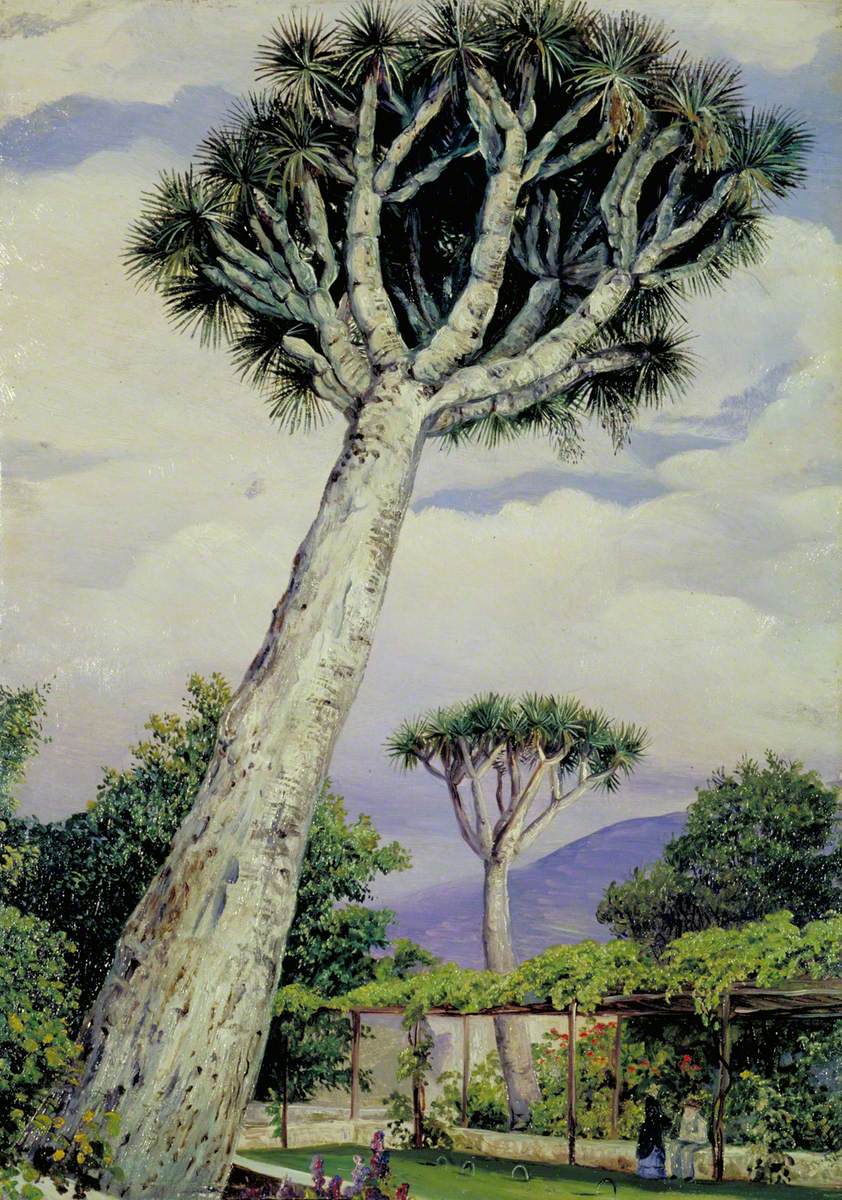
Stand near the old dragon tree and imagine having paint and canvas ready. One of her works, “Dragon Tree in the Garden of Mr Smith, Teneriffe” (Kew painting MN511), makes the connection wonderfully direct. “Scene in Mr Smith’s Garden, Teneriffe” (MN521) preserves another view of the place. They are paintings, not photographs of a fixed garden layout, but they let you compare one visitor’s carefully chosen views with what grows there now.
The orchids and koi carp pond make the present-day garden enjoyable in their own right. Enjoy them as part of today’s Sitio Litre; the paintings show the garden North knew in the nineteenth century.
From the garden to the wider island
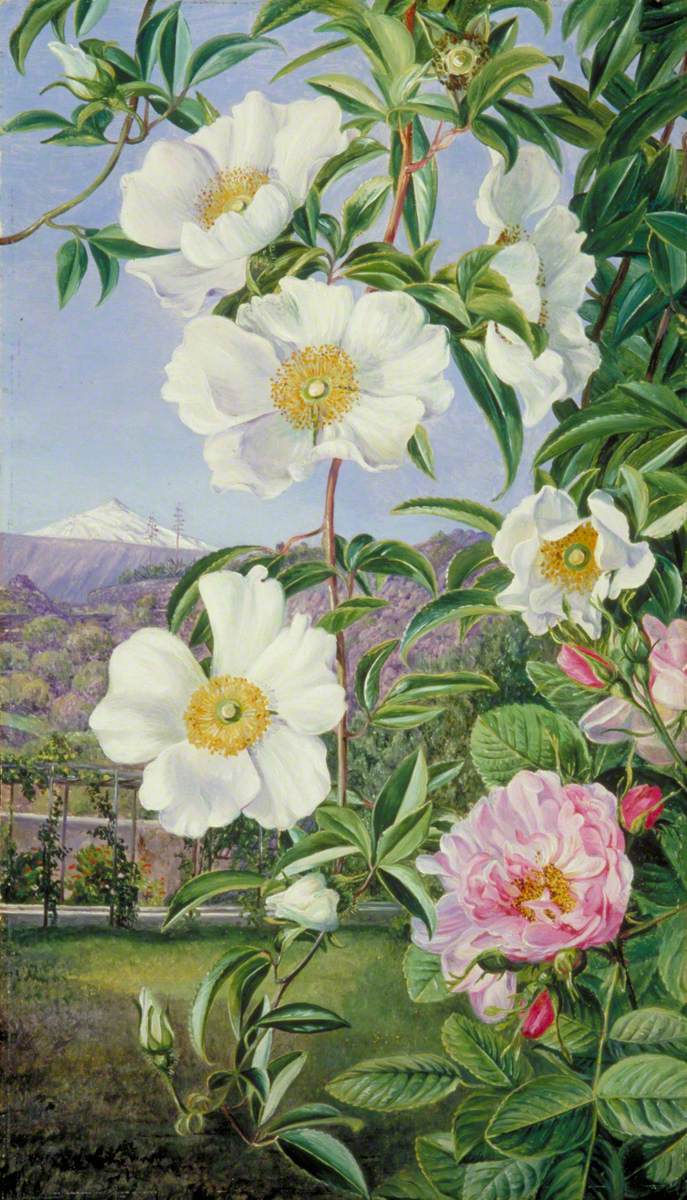
Sitio Litre was a base, not the limit of North’s curiosity. Her Tenerife titles include “Cherokee Rose with the Peak of Tenerife in the Distance” (MN527) and a view of Puerto de Orotava from Sitio del Pardo (MN514). Other paintings record dragon trees and gardens elsewhere on the island. The titles give you a small route through her interests: a flower and a mountain, an old port, a remarkable tree.
Look at the composition rather than treating these as a catalogue of rare plants. North often put a close plant in front of a distant landscape, inviting the eye to travel between them. This is especially appealing in a place where the sea, town and mountain can all fit within a short walk.
Her work also reminds us to check locations carefully. The famous old dragon tree of La Orotava was a different tree from the one in Mr Smith’s Sitio Litre garden. Both appear in the wider story of Tenerife’s nineteenth-century visitors; they should not be confused.
A wider garden story in Puerto
North did not find all her subjects in one property. The Jardín de Aclimatación, better known to visitors as the Jardín Botánico, also appears in her Tenerife paintings. Its collection and shaded paths offer a different experience from Sitio Litre’s intimate house garden.
That difference is part of the pleasure of following her footsteps. At Sitio Litre, pause by the tree and the reproductions of her paintings; at the Botánico, wander among a broader collection of plants. You are seeing today’s gardens, not a reconstruction of 1875, but both places help explain why this corner of Tenerife appealed to someone who liked to paint plants within a living landscape.
The existing historic gardens video with Ramón Michán begins at Sitio Litre and carries the garden story into the old town. It is an easy way to place her stay in a wider walk.
The paintings travelled on to Kew
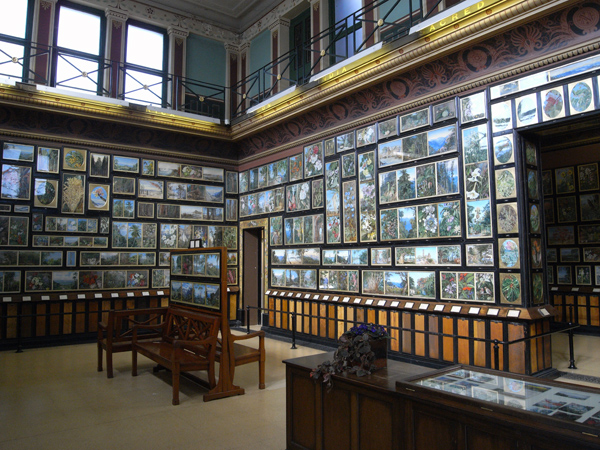
North eventually offered to build a gallery at the Royal Botanic Gardens, Kew, where visitors could see the places she had visited through her paintings. The gallery was completed in 1882; her works remain displayed there today, grouped geographically. A painting of Sitio Litre can therefore take a viewer in London straight back to the garden above Puerto de la Cruz.
Kew describes North’s approach as showing plants in their settings, with the colours and surroundings that give them life. Her Tenerife pictures also preserve something more personal: what caught the eye of one traveller who lived with local hosts, walked out to paint and grew fond of the island.
If you see a reproduction at Sitio Litre, take the extra minute to look from the image to the garden. The plants, paths and buildings have changed, but the act of noticing the place links her visit with yours.
How to follow Marianne North’s footsteps today
Begin at Sitio Litre Orchid Garden, a short uphill walk from the centre of Puerto de la Cruz. Look for reproductions of North’s paintings and the old dragon tree; allow time for the orchids and ponds as well. The house is private, and garden admission and opening arrangements should be checked before you go.
Then visit the Jardín Botánico in La Paz if you want a second garden linked to her painting. To follow a longer route from Sitio Litre towards the centre, watch Ramón Michán’s historic gardens and plazas tour, part two.
Our historic gardens walk brings these places together; Alfred Diston and Charles Piazzi Smyth tell other sides of the town’s nineteenth-century art and science story.
Follow PuertoDeLaCruz.info in Google
If our Puerto de la Cruz guides are useful to you, you can add PuertoDeLaCruz.info as one of your preferred sources in Google.